


Do You Need a 990-N Filing Service? DIY vs. Done-for-You (2026)
Nearly every small tax-exempt nonprofit is required to file IRS Form 990-N, also known as the e-Postcard. Staying on top of your group’s annual filings is an important way to protect your tax-exempt status, stay in good standing with the IRS, and foster trust with donors and other stakeholders.
Though the 990-N itself is fairly straightforward, anything related to nonprofit taxes can feel intimidating for volunteers who aren’t tax professionals. That’s why so many nonprofit treasurers ask themselves an important question: Should I file it myself, or is it worth using a 990-N filing service?
In this guide, we’ll compare both options so you can confidently decide which is right for your organization. If you’d like more information on the filing itself before weighing your options, our overview of Form 990-N is a great starting point.
The Short Answer
If your nonprofit is organized, has a reliable treasurer who will remember the deadline every year, and is comfortable navigating the IRS website, then filing the 990-N yourself is free and relatively straightforward. If you have frequent leadership changes at your organization, you’ve missed the deadline before, or you don’t want another compliance task to track, then a 990-N filing service can provide peace of mind at a low cost.
Next up, we’ll take a closer look at both options, paying close attention to the pros and cons of each.
Option 1: File the 990-N Yourself (The DIY Approach)
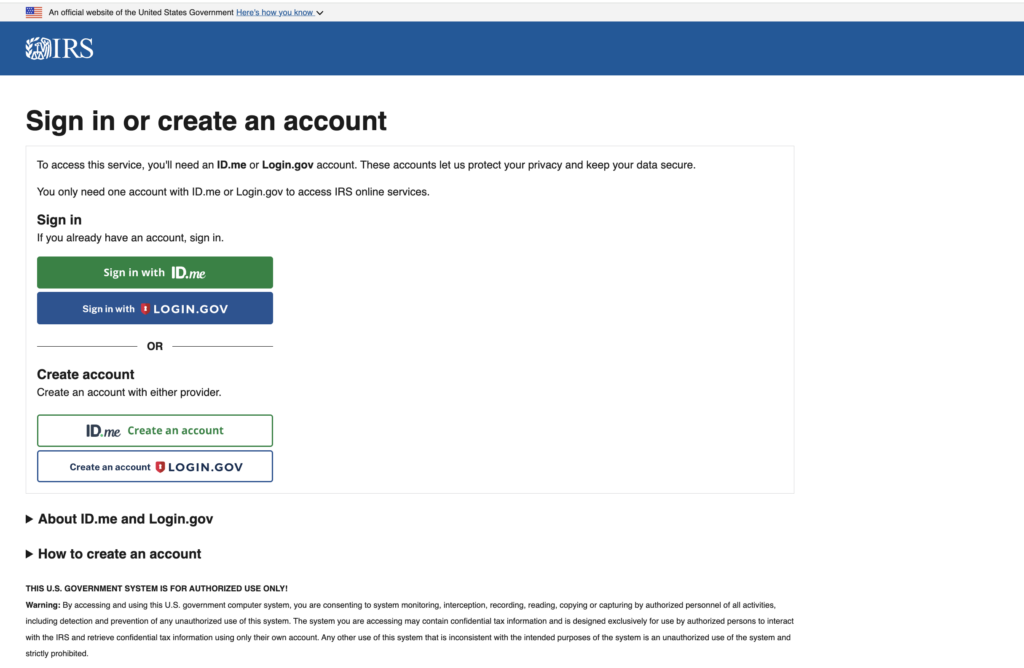
Filing the 990-N directly with the IRS costs nothing. You’ll need to create an account (if you don’t already have one), confirm or update a handful of details about your organization, and submit the filing.
Best for: Organized nonprofits with a consistent, reliable point person who handles compliance tasks every year.
Pros: Filing is free, the process is relatively straightforward once you understand the steps that are involved, and you stay in control the entire time.
Cons: Nobody reminds you, the deadline is easy to forget, and if you consistently miss it, there are major consequences, such as losing your organization’s tax-exempt status. In many cases, account access and login issues cause more issues for small nonprofit volunteers than the filing process itself.
Option 2: Use a 990-N Filing Service (The Done-for-You Approach)
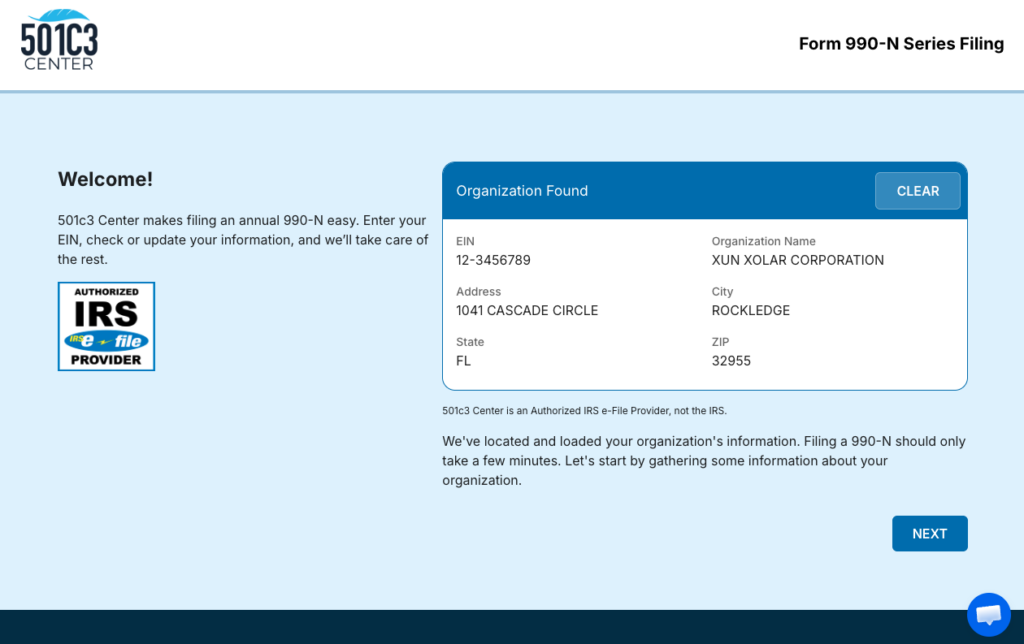
A 990-N filing service handles the submission for you without requiring an IRS account. It also tracks your deadline so you’re much less likely to miss it. We walk through the process of using a filing service in this step-by-step guide to filing the 990-N online.
Best for: Nonprofits with frequent board turnover, volunteers that wear many hats, want confirmation that it was filed correctly, or any that have missed a filing deadline in the past .
Pros: Your deadline is tracked for you, there’s no need to create an account with the IRS, the submission is handled correctly, and you can remove a recurring risk from your plate.
Cons: There is a small fee, and you’re handing off a task you could technically do yourself.
DIY vs. a Filing Service: Side by Side
If you’re still not sure which approach is right for your small nonprofit, this side-by-side comparison can help.
| DIY Filing | 990-N Filing Service | |
| Cost | Free | A small annual fee ($199) |
| Time required | Low, once you understand the steps and have navigated the process of creating an IRS account | Very little time |
| Deadline tracking | Relies on someone from your organization to remember | Tracks your deadline for you |
| Risk of a missed filing | High, especially for groups with frequent board turnover | Much lower than with a DIY approach |
| Control | Organization is in control | Organization delegates the task to the filing service |
Missing the 990-N is the Real Risk
When volunteers are busy juggling the countless tasks involved with running a small nonprofit, it’s easy for tax filing deadlines to be overlooked. But missing your deadline carries real risk, so it’s important to stay a step ahead.
If an eligible nonprofit fails to file Form 990-N for three years in a row, its tax-exempt status will automatically be revoked. If you lose your status, it can be harder to raise money, run your programs, and fulfill your mission. And getting that status back requires extra time and effort.
Missing even a single deadline can cause headaches down the road and negatively impact donor trust. We break down exactly what’s at stake in the cost of not filing your 990.
Whether you choose a 990-N filing service or opt for a DIY approach, the goal is the same: meet your filing deadline every year.
Which Should You Choose?
Choose DIY if your nonprofit is organized, has a reliable point person, and wants to avoid paying a fee. Opt for a 990-N filing service if your group’s leadership changes frequently, your volunteers don’t have the time or confidence to navigate the IRS process, or if you’ve ever scrambled to meet your deadline. For many small nonprofits, the assurance that Form 990-N will be filed accurately and on time every year is well worth the low cost of a filing service.
How 501c3 Center Can Help
501c3 Center is an authorized IRS e-file provider (not the IRS) that helps make compliance stress-free for small nonprofits. We provide 990-N filing support and reminders so you never have to worry about missing another deadline and putting your tax-exempt status (and your donors’ trust) at risk.
If you’d rather hand off your 990-N filing to the experts, reach out to our team, and we’ll take it from there.
Frequently Asked Questions
Do I have to file the 990-N every year?
Yes. Eligible small nonprofits must file the 990-N annually to protect their tax-exempt status and stay in good standing with the IRS, even in years when they don’t bring in any revenue.
Is it cheaper to file the 990-N myself?
Yes, filing directly with the IRS is free. A 990-N filing service charges a small fee to track your deadline and handle the filing for you.
What happens if I miss the 990-N deadline?
If you fail to file for three consecutive years, the IRS will automatically revoke your tax-exempt status. However, missing even a single deadline can cause administrative challenges and trust issues with donors and other stakeholders.
When is the 990-N due?
Form 990-N is due by the 15th day of the 5th month after your fiscal year ends. For calendar-year nonprofits, the deadline is May 15.
Can a filing service handle my nonprofit’s 990-n filing if my board changes every year?
Yes, a filing service is particularly valuable for nonprofit organizations with frequent leadership turnover. The service tracks your deadline regardless of who is on the board, so your organization is less likely to miss it.

File a Form 990-N
Protect your organization's 501c3 status by filing the annual 990-N with the IRS. 501c3 Center is an Authorized e-File Provider offering a convenient way to file without an IRS account.